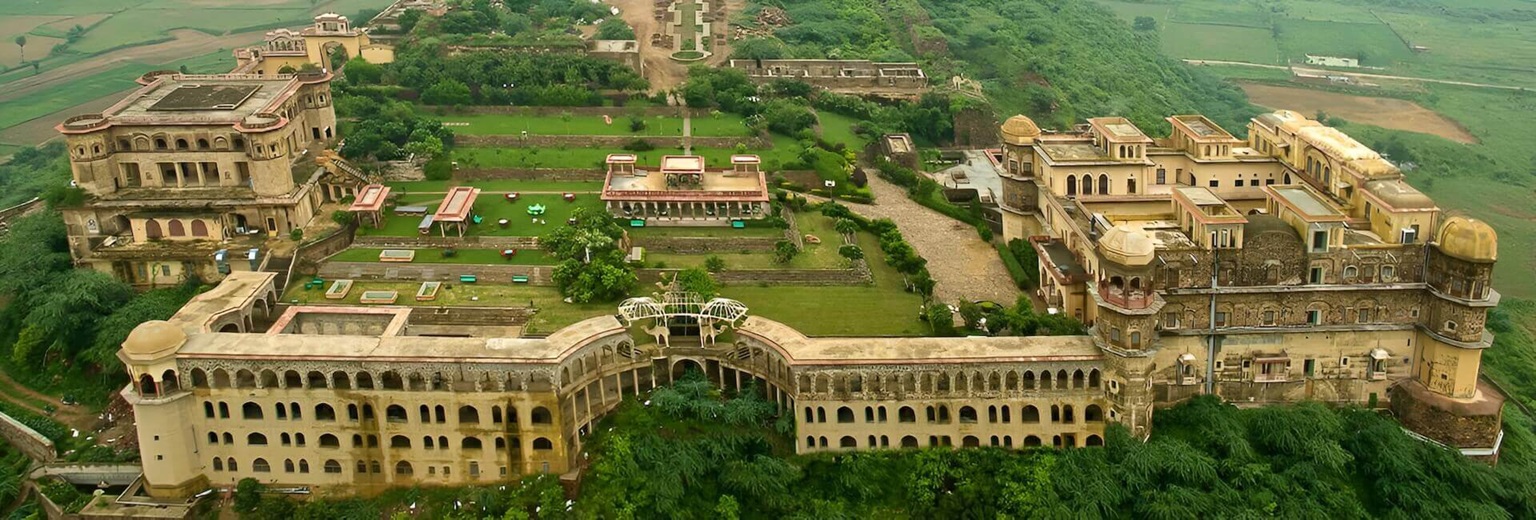
A fort is more than just a defensive structure—it is a living testimony to history, culture, and power. Rajasthan’s forts, such as the majestic Amber Fort and the towering Mehrangarh Fort, not only served as protective bastions but also as royal residences. Their massive walls, ornate gates, and sprawling courtyards reveal the architectural brilliance of bygone eras. Alongside these forts, Rajasthan’s palaces—like City Palace in Jaipur and Umaid Bhawan Palace in Jodhpur—showcase opulent interiors, intricate carvings, and artistic splendor. Together, these iconic monuments narrate tales of valor, grandeur, and royal heritage, offering every visitor a glimpse into Rajasthan’s regal past.
The grand forts of Rajasthan were primarily built by the Rajput dynasties, who ruled the region for centuries and left behind an enduring legacy of valor and architecture. Some of the most notable include:
Kachwaha Rajputs (Jaipur) – Builders of the magnificent Amber Fort and Jaigarh Fort.
Rathore Rajputs (Jodhpur & Bikaner) – Creators of the massive Mehrangarh Fort in Jodhpur and Junagarh Fort in Bikaner.
Sisodia Rajputs (Udaipur, Mewar) – Known for Chittorgarh Fort and Kumbhalgarh Fort, both symbols of sacrifice and strength.
Chauhan Rajputs (Ajmer) – Constructed the historic Taragarh Fort, one of the oldest hill forts in Rajasthan.
Bhati Rajputs (Jaisalmer) – Built the golden Jaisalmer Fort, a living fort still inhabited today.
These dynasties not only built formidable defenses but also infused them with palaces, temples, and intricate artwork, making Rajasthan’s forts timeless marvels of history and heritage.
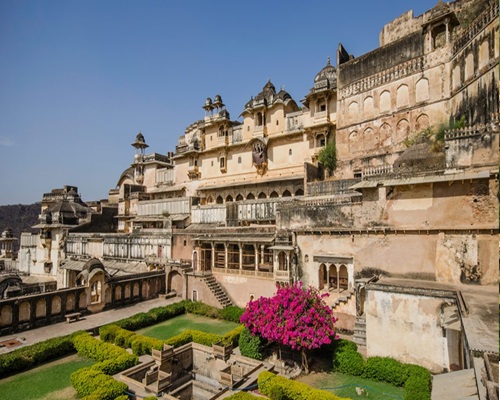
Amber Fort (Amer Fort), Jaipur
Perched high on the rugged hills overlooking Maota Lake, Amber Fort is one of Rajasthan’s most celebrated landmarks. Built in the late 16th century by Raja Man Singh I of the Kachwaha dynasty, the fort beautifully blends Rajput and Mughal architecture.
The fort is renowned for its massive gateways, ornate palaces, and intricately designed courtyards. Highlights include:
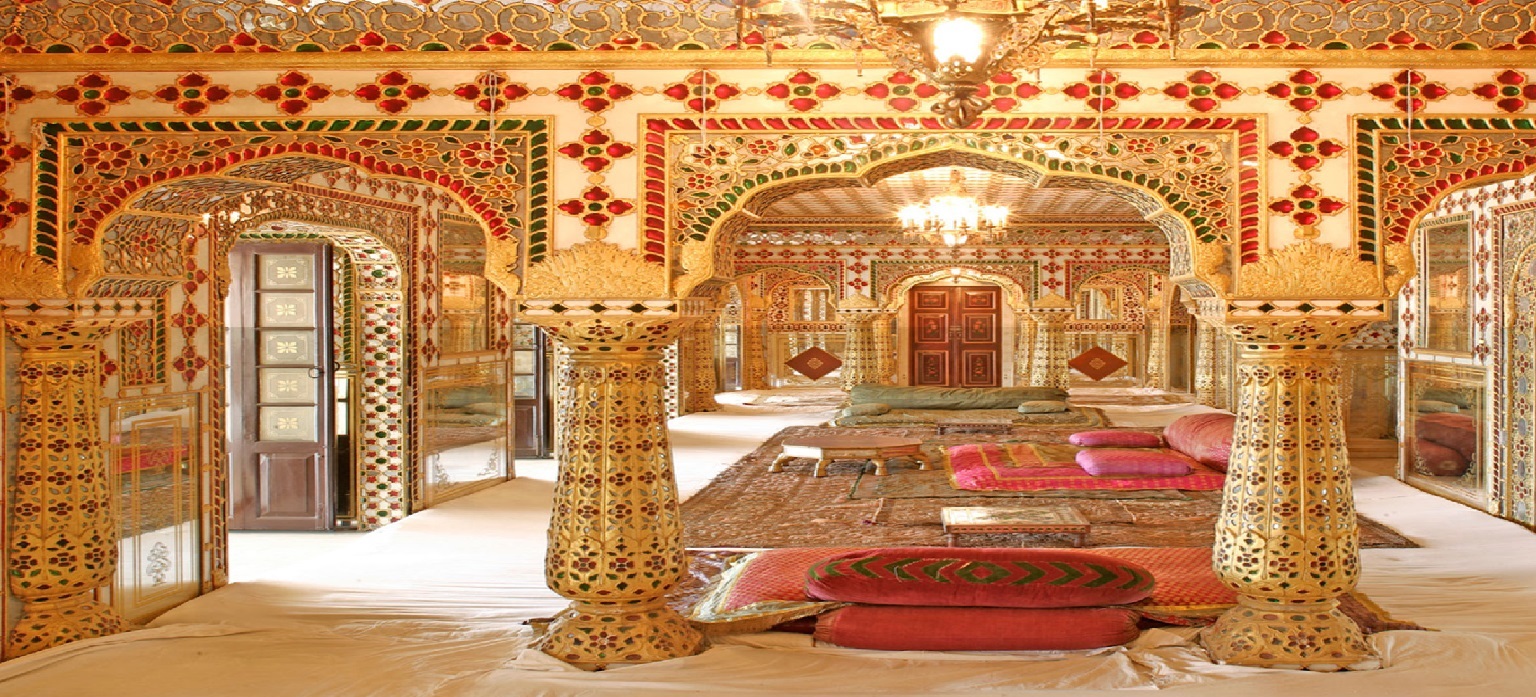
Sheesh Mahal (Mirror Palace) – a dazzling hall adorned with thousands of tiny mirrors that sparkle with the glow of a single candle.
Diwan-i-Aam (Hall of Public Audience) – where the king addressed his subjects.
Ganesh Pol – an exquisitely painted gateway leading to the private palaces.
Amber Fort is not only a UNESCO World Heritage Site (as part of the Hill Forts of Rajasthan) but also a living testament to Jaipur’s royal grandeur. Visitors can reach the fort by jeep, on foot, or even by an elephant ride—an experience that captures the regal essence of Rajasthan.

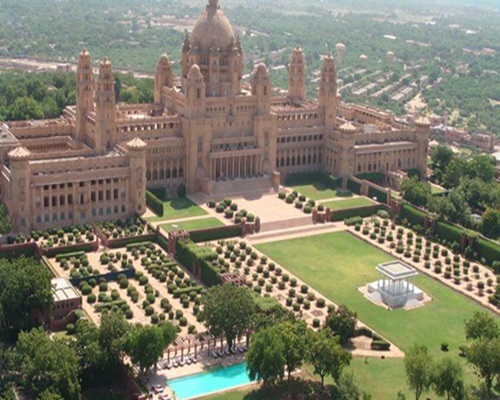
A symbol of 20th-century grandeur, Umaid Bhawan Palace stands majestically atop Chittar Hill, the highest point in Jodhpur. Commissioned by Maharaja Umaid Singh in 1929 and completed in 1943, the palace was designed by the renowned architect Henry Vaughan Lanchester. Built from golden-yellow sandstone, it blends Indo-Deco, Classical Revival, and Western Art Deco styles, making it one of the last great palaces of India.
With 347 rooms, sprawling courtyards, and lavish interiors, Umaid Bhawan served as a royal residence and a mark of modernity in the desert kingdom. Today, the palace is divided into three sections:
A luxury heritage hotel managed by Taj Hotels.
The royal residence of the Jodhpur royal family.
A museum, showcasing vintage cars, clocks, and artifacts of the royal era.
Umaid Bhawan Palace is not just an architectural wonder—it is also a symbol of resilience, as it was built to provide employment to locals during a severe famine. Its golden charm and regal hospitality continue to attract travelers from around the world.
Rising like a golden mirage from the heart of the Thar Desert, Jaisalmer Fort—popularly called Sonar Quila or Golden Fort—is one of the few living forts in the world. Built in 1156 AD by Rao Jaisal, the Bhati Rajput ruler, this majestic fort is crafted from golden-yellow sandstone that glows brilliantly under the desert sun, giving it its iconic name.
The fort is enclosed by massive ramparts, 99 bastions, and four grand gateways, opening into a maze of narrow lanes. Inside, one finds royal palaces, intricately carved havelis, Jain temples, and bustling markets, where life continues much as it did centuries ago.
Recognized as a UNESCO World Heritage Site, Sonar Quila is not only an architectural marvel but also a cultural treasure, embodying Rajasthan’s heritage, traditions, and timeless desert charm.

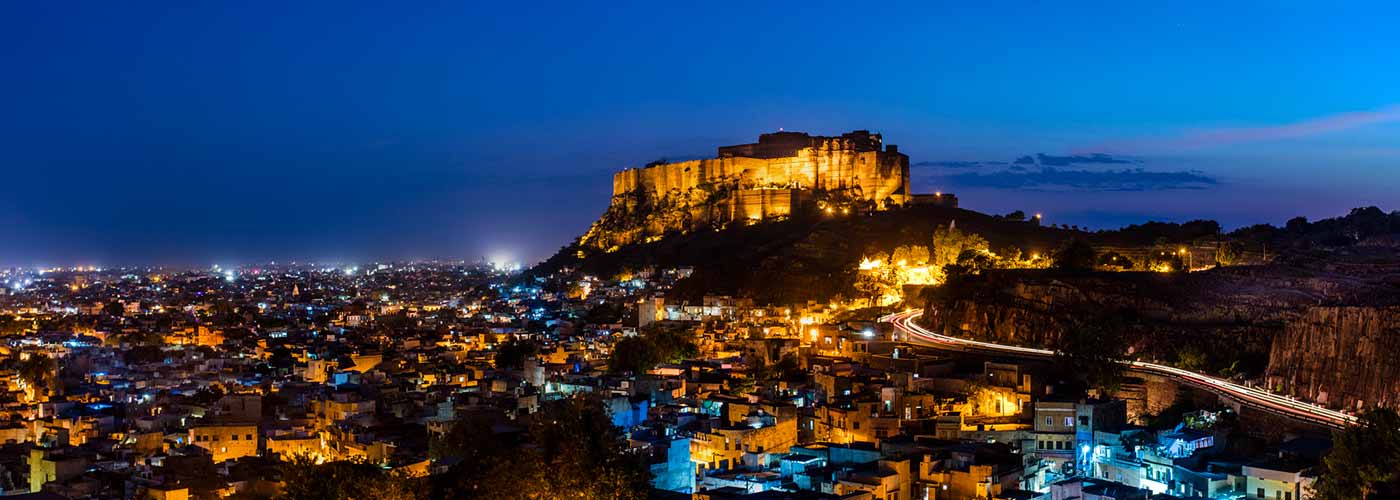
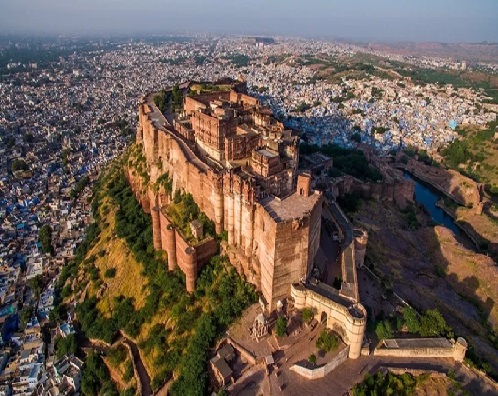
Towering 400 feet above Jodhpur, the majestic Mehrangarh Fort is one of the largest and most impressive forts in India. Founded in 1459 by Rao Jodha, the Rathore ruler, the fort is enclosed by massive walls that still bear the marks of cannon fire, narrating tales of valor and resilience.
Inside its mighty gates lie sprawling courtyards, ornate palaces, temples, and galleries. Highlights include:
Moti Mahal (Pearl Palace) – adorned with delicate mirror-work.
Phool Mahal (Flower Palace) – once the royal entertainment hall, richly decorated with gold filigree.
Sheesh Mahal (Mirror Palace) – glittering with intricate glass inlay.
The museum, showcasing royal artifacts, arms, paintings, and costumes of Rajasthan’s glorious past.
From the fort’s ramparts, visitors enjoy panoramic views of the “Blue City” of Jodhpur, with its maze of indigo-painted houses. Today, Mehrangarh Fort is not just a historic monument but also a cultural hub, hosting festivals, concerts, and events that celebrate Rajasthan’s living heritage.
At the heart of the Pink City lies the magnificent City Palace, a splendid blend of Rajput, Mughal, and European architecture. Built in the early 18th century by Maharaja Sawai Jai Singh II, the founder of Jaipur, this palace complex served as the royal residence of the Kachwaha rulers.
The palace is a stunning ensemble of courtyards, gardens, temples, and grand halls. Key highlights include:
Chandra Mahal – still partly occupied by the royal family, with exquisite paintings, mirror-work, and floral designs.
Mubarak Mahal – a museum showcasing royal textiles, garments, and artifacts.
Diwan-i-Khas & Diwan-i-Aam – audience halls adorned with crystal chandeliers and two massive silver urns, the largest in the world.
Peacock Gate – a masterpiece of intricate design symbolizing the seasons.
City Palace not only reflects Jaipur’s regal heritage but also continues to be a cultural landmark, where tradition and history blend seamlessly with modern royal life.

Overlooking the serene waters of Lake Pichola, the City Palace of Udaipur is the largest palace complex in Rajasthan and a crown jewel of Mewar’s royal heritage. Built over nearly 400 years, starting in 1553 by Maharana Udai Singh II, the palace is an extraordinary fusion of Rajput, Mughal, European, and Chinese architectural styles.
The complex is a stunning maze of balconies, towers, courtyards, and grand halls, each adorned with intricate marble work, colorful frescoes, and delicate mirror inlay. Highlights include:
Mor Chowk (Peacock Courtyard) – famous for its vibrant glass mosaic peacocks.
Sheesh Mahal (Palace of Mirrors) – glittering with mirror-work artistry.
Zenana Mahal (Queen’s Palace) – with beautiful balconies and ornate decor.
Fateh Prakash Palace & Shiv Niwas Palace – now heritage hotels, offering royal luxury to guests.
From its terraces, visitors enjoy breathtaking views of Lake Pichola, dotted with the iconic Lake Palace and Jag Mandir. The City Palace is not just a monument—it is a living museum of Mewar’s valor, artistry, and regal splendor.
“Rajasthan offers countless more forts and palaces waiting to be discovered.”
“Please allow us to design your tour plan whenever you visit India, especially Rajasthan with its magnificent Forts & Palaces. With our rich experience, we understand the unique interests of our guests and take pride in serving you with the best, ensuring that your curiosity and expectations are fulfilled.”